The UK's Regional Solar Installer Landscape in 2026
The shift
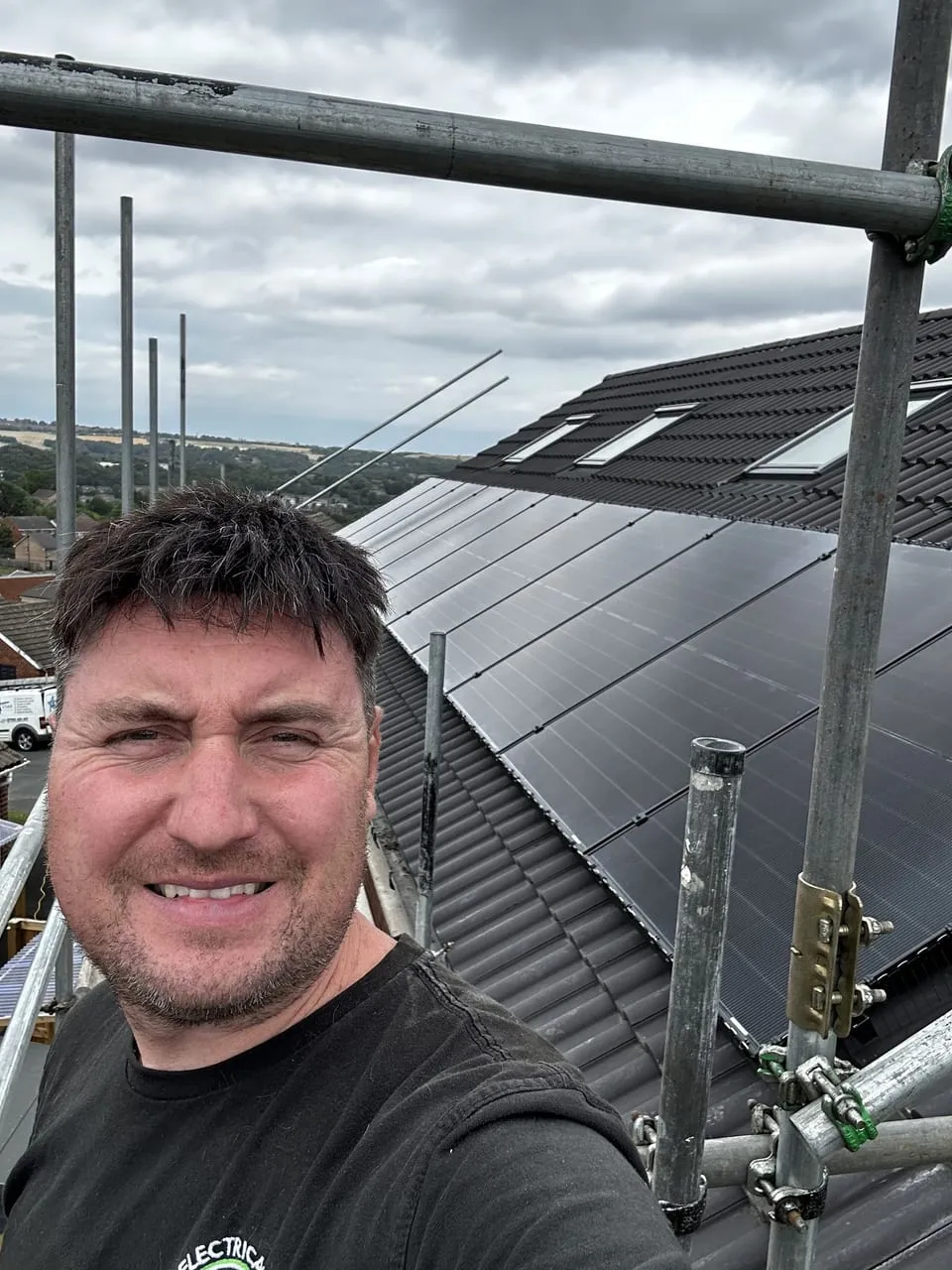
The national installer model promised scale. What the 2026 retrofit market actually rewards is the opposite — regional firms with their own teams, their own scaffolding, and a van that can be on your roof on Thursday.
Why the regional model is winning work
The advantages are unglamorous and operational. A regional installer deals with the same distribution network operator week in, week out, so G98 and G99 applications move through familiar hands. Scaffolding — often the most volatile line on a domestic quote — comes from a local yard rather than a national framework rate. And aftercare, the thing no customer thinks about until an inverter fault appears in year three, is a forty-minute drive rather than a ticket in a queue. As covered by trade outlets like Solar Weekly, strong regional names are quietly consolidating their home patches.
The Midlands
The West Midlands remains one of the busiest retrofit markets in the country, with dense Victorian and interwar stock that punishes inexperience — complex roof lines, conservation streets and party-wall scaffolding all favour installers who know the territory. Firms such as Midland Solar in Birmingham have built their position on exactly that local fluency.
Yorkshire and the North
Yorkshire's mix is broader: terraced domestic work in the cities, agricultural rooftops on the Dales fringe and commercial units along the M62. That spread rewards installers who move comfortably between a three-bed semi and a distribution shed — outfits like YEERS across Yorkshire illustrate the pattern.
East Anglia and the Home Counties
East Anglia's dry, bright climate gives some of the best yields in the country, served by firms such as Green Hat Renewables in East Anglia. South of London, the commuter-belt market rewards tidy work and quick turnarounds — SOLA UK in Hertfordshire is typical of the regional specialists thriving there.
Before you choose
Whoever you pick, understand the incentives and the numbers first: the Smart Export Guarantee pays for exported surplus, the Boiler Upgrade Scheme covers heat pumps (not solar), and The Cost of Solar sets realistic pricing. For larger sites, commercial installation specialists work to a different model again.
Frequently asked questions
Is it better to use a local or national solar installer?
For retrofit work, regional installers usually win on the things that matter: familiar DNO relationships (faster G98/G99), local scaffolding rather than national rate cards, and aftercare that is a short drive away rather than a ticket in a queue. Nationals remain strong on new-build frameworks and volume contracts.
Why are regional solar firms winning work in 2026?
The advantages are operational: the same distribution network operator week in, week out, local scaffolding yards keeping quotes competitive, and year-three aftercare within thirty miles. Nationals can match the panel and the price; matching the response time is harder.