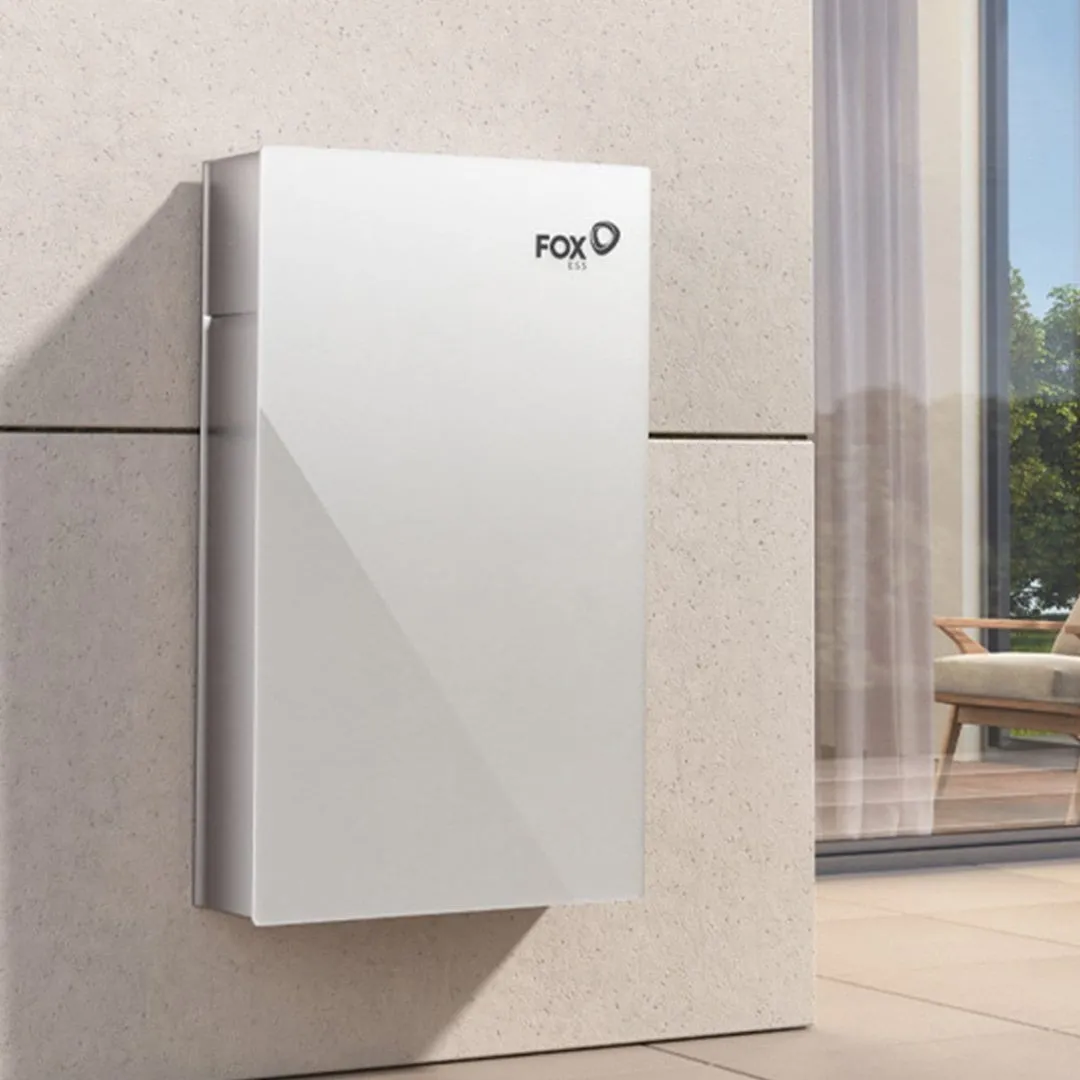
If you had solar panels fitted between roughly 2012 and 2018, there’s a decent chance your inverter is now approaching the end of its working life — and most homeowners have no idea until the system stops producing power altogether. Inverter maintenance is the most neglected part of solar ownership in the UK, largely because panels themselves are so reliable that people assume the whole system needs zero attention. It doesn’t work like that. The inverter is the one component with a genuine, predictable shelf life, and knowing what to watch for can save you a wasted summer of near-zero generation.
Why the inverter is the weak link, not the panels
Solar panels are essentially inert once installed — no moving parts, no heat cycling under load, just glass and silicon slowly converting light to DC electricity. Modern N-type panels (TOPCon, HJT, or back-contact designs) degrade at around 0.4% a year and are routinely warranted for 25-30 years. Barring physical damage, a panel installed today will still be doing meaningful work in the 2050s.
The inverter is a different animal entirely. It’s an electronic power-conversion device working continuously through heat, cold, damp and constant switching cycles as it turns the DC electricity from your panels into AC electricity your house can use. Capacitors dry out. Cooling fans wear down. Circuit boards degrade from thermal stress. A typical string inverter lasts 10-15 years — meaning if your system was installed during the original 2010-2016 Feed-in Tariff boom, you’re either due a replacement now or will be within the next few years.
This isn’t a defect or bad luck. It’s just how the technology works, and it’s the same story with solar panel maintenance across the UK generally — the panels look after themselves, the electronics don’t.
Signs your inverter is failing (before it fails completely)
Most inverters don’t die instantly. They degrade, and the warning signs are visible if you know where to look.
Falling generation on sunny days. This is the big one. If a cloudless June afternoon that used to generate 15-18 kWh is now producing 10-11 kWh with no shading or panel soiling to explain it, the inverter’s efficiency is dropping. Compare year-on-year via your inverter’s app or portal, not just day-to-day — you need a like-for-like sunny day, ideally close to the summer solstice.
Error codes or fault lights. Every inverter brand — SolarEdge, Solis, GivEnergy, Growatt, Fox ESS — has a fault log. Isolation faults, ground fault warnings, and repeated grid-disconnection errors that clear themselves are all early indicators. A single one-off fault after a storm is normal. A recurring pattern over weeks is not.
Unusual noise or heat. A humming or buzzing transformer note that wasn’t there before, or a unit that’s noticeably hot to the touch (most are wall-mounted in a garage or loft and should run warm, not hot), points to a cooling fan or component starting to fail.
Display or app dropping out. Intermittent loss of monitoring data, especially if it coincides with dips in reported output, often means the communication board inside the inverter is failing before the power stage does — sometimes this gives you weeks of advance warning if you’re paying attention.
System shuts down more in cold or damp weather. Inverters run coolest overnight and hardest at midday; if yours is tripping out on cold mornings or after heavy rain, moisture ingress into ageing seals is a common late-life symptom.
If you’re seeing two or more of these together, it’s worth a proper inspection rather than waiting for total failure — a full outage in peak summer is the worst time to discover you need a part that’s on 3-4 weeks’ lead time.
What replacement actually costs in 2026
Replacement cost depends heavily on whether you’re doing a straight like-for-like swap or upgrading capability at the same time.
| Job | Typical UK cost 2026 |
|---|---|
| Like-for-like string inverter swap (3-5kW) | £500-£1,000 |
| Like-for-like string inverter swap (6-10kW) | £800-£1,400 |
| Upgrade to hybrid inverter (enables battery later) | £1,200-£2,500 |
| Micro-inverter system replacement (per panel) | £120-£180/panel |
| Full replacement + new battery-ready hybrid + labour | £1,500-£3,000+ |
Labour is usually a half-day job for a straightforward swap, since the DC isolators, cabling and mounting are typically reusable. Costs rise if your original system used a discontinued or orphaned brand — some early-2010s manufacturers have since gone bust, meaning no warranty support and sometimes incompatible replacement parts, which can force a slightly bigger job than a simple unit-for-unit change.
One thing worth flagging clearly: the 0% VAT rate on residential solar and battery installations (in place across Great Britain until 31 March 2027, after which it’s scheduled to revert to 5%) applies to qualifying installations of solar PV and battery storage — check with your installer whether your specific inverter replacement qualifies, since VAT treatment can depend on whether it’s installed alongside a battery or as a standalone repair. Don’t assume; ask before you book the job.
The upgrade path most people miss: go hybrid while you’re at it
If your inverter has failed or is clearly on its way out, this is the single best moment to reconsider your setup rather than just replacing what’s there. A straight string inverter only manages solar-to-AC conversion. A hybrid inverter additionally manages DC-coupled battery charging and discharging, and usually comes with built-in backup-power capability for at least part of the house during a grid outage.
The economics have shifted enough in the last couple of years that this is now a genuinely common upgrade rather than a niche one:
- Batteries typically cost £4,000-£8,000 installed (roughly £400-£700 per kWh of capacity), with a Tesla Powerwall 3 (13.5kWh) sitting around £8,500-£10,500 fitted.
- With import electricity now around 25p/kWh under the Ofgem price cap (it moves quarterly, so check the current rate), storing your own daytime solar generation to use in the evening avoids buying that same unit back at full price.
- Export rates through the Smart Export Guarantee vary considerably by supplier — some pay as little as 3-4p/kWh, others 15-20p/kWh at the top end — so a battery that lets you use more of your own generation rather than exporting it cheaply is often the better trade, especially if your original export tariff is a weak one.
- You’ll need MCS certification carried through (or re-issued) on the new inverter to keep your SEG eligibility intact — don’t let an installer skip re-registering the system.
If you’re weighing up whether to replace like-for-like or go hybrid, get quotes from installers who do both regularly rather than a single generalist. Ecoaim, based in Livingston, handles a lot of ageing-system inverter replacements and hybrid retrofits across Central Scotland, and YEERS covers solar, battery and inverter work across Yorkshire if your original installer is no longer trading. For homeowners in Kent, Hazell Electrical is a long-established West Kent firm that can assess whether a fault is inverter-side or a wider electrical issue before you commit to a replacement.
Orphaned systems: what to do if your installer has gone bust
This is more common than people expect. The FiT-era boom produced a wave of installers who no longer exist, which means no warranty, no fault history, and sometimes no idea what parts were actually fitted. If that’s your situation:
- Get the make and model off the inverter’s physical nameplate, not just the app — brands get bought, renamed or discontinued, and the sticker is the only reliable record.
- Ask for an independent system health check rather than assuming replacement is needed. A competent electrician can usually diagnose whether it’s the inverter, a DC isolator, a failed string, or a panel-level fault in under an hour.
- Re-register for MCS if the original certification has lapsed or the installer no longer exists on the MCS database — this matters if you want to keep or restart SEG export payments.
- Ongoing monitoring is worth paying for if you don’t want to be the one checking generation figures every week. Solar Maintenance Solutions specialises specifically in O&M and monitoring for exactly this kind of ageing, orphaned or under-performing system, which takes the guesswork out of catching failures early.
For anyone in South Yorkshire dealing with an inverter fault alongside other electrical work — consumer unit checks, isolator replacement, that sort of thing — ElectriFusion Solutions in Doncaster covers both solar and general electrical, which is useful when a fault turns out to be wiring-side rather than the inverter itself. Similarly, ALPS Electrical combines solar and electrical contracting, which avoids the back-and-forth of two separate trades if the diagnosis is unclear.
Commercial systems: same principle, bigger numbers
If you’re reading this because you look after a business premises rather than a house, the maintenance logic is identical but the stakes are higher — a failed inverter on a 50kW commercial roof array is a much larger daily generation loss than a 4kW domestic system, and commercial string/central inverters can be more expensive to replace given higher power ratings. Commercial Solar Panels Installation is a good starting point for understanding what ongoing O&M should look like on a commercial-scale system, and if the array sits on a warehouse or industrial roof specifically, Solar Panels For Warehouses covers the maintenance considerations particular to larger flat-roof mounted systems where access and downtime cost more.
The bottom line
Inverters are a wear item, not a lifetime component — plan for replacement at the 10-15 year mark rather than being surprised by it. Watch your generation figures against the same month last year, don’t ignore repeated fault codes, and if you’re already facing a replacement, at least get a hybrid-capable quote alongside the like-for-like one before you decide. It’s a much cheaper moment to add battery-readiness than doing it as a separate job later. For a fuller breakdown of what a battery would cost on top, thecostofsolar.co.uk’s battery storage cost guide is worth a read before you get quotes.