If you’ve got even one chimney, dormer window, or overhanging tree near your roof, you’ll have hit this question fast: SolarEdge or Enphase? Both promise to squeeze more power out of a shaded or awkwardly-shaped roof than a standard “string” inverter setup, and both back that up with app-based monitoring down to individual panel level. But they solve the problem in genuinely different ways, they fail in different ways, and UK installer support for each looks quite different depending on where you live. This guide sets out what actually separates them, in plain terms, so you can ask your installer sharper questions rather than just repeating marketing lines back at them.
The core difference: one inverter vs many
A standard solar system has one central “string inverter” in the garage or loft, wired to a string of panels in series. If one panel is shaded, the whole string’s output drops to match the weakest panel — like fairy lights on one circuit.
SolarEdge keeps the single central inverter but adds a small power optimiser behind each panel. The optimiser does DC-to-DC power conversion at the panel, correcting for shade and mismatch, then sends clean DC down to the one inverter, which does the final DC-to-AC conversion for the house.
Enphase does away with the central inverter altogether. Each panel gets its own microinverter, bolted directly underneath it, which converts that panel’s output straight to AC on the roof. There’s no central “brain” doing conversion — just a lightweight communications gateway indoors talking to the app.
Both approaches are “module-level power electronics” (MLPE) and both are a genuine upgrade over a bare string inverter for anything other than a big, unshaded, south-facing roof. The differences show up in three places: how each handles partial shade, what you can actually see in the monitoring app, and — the part installers care about most — how the system fails and what it costs to fix.
Shade handling: similar outcome, different mechanism
In everyday UK conditions — a chimney shadow crossing three panels in the morning, a neighbour’s tree clipping the eaves in winter — both systems perform closely. Each optimiser or microinverter operates independently, so a shaded panel only drags down its own output rather than the whole array.
The nuance is in degree, not principle. SolarEdge optimisers still feed one shared inverter, so if the whole string dips below the inverter’s minimum operating voltage (rare, but possible on a badly undersized or heavily-shaded string), the inverter itself can shut down. Enphase microinverters have no such shared dependency — each one runs so long as its own panel has enough light, right down to very low irradiance, which is why Enphase tends to edge ahead on complex, multi-orientation roofs (east/west dormers, roofs split across two or three pitches) where a design might otherwise have needed multiple separate string inverters. For a straightforward roof with one or two shading obstructions, either system will do the job — this is a case where a decent installer’s site survey matters more than the badge on the box.
For UK households working out whether their roof is even a good shade candidate in the first place, thebritishsolarblog.co.uk’s guide to whether solar actually works in the UK is worth reading before you get as far as comparing inverter brands.
Monitoring depth: per-panel data either way, different presentation
Both platforms give you panel-by-panel output in an app, which is genuinely useful — it’s how you spot a failing panel, a bird-mess shading issue, or a loose connector months before it would show up as a mysteriously lower bill.
- SolarEdge’s monitoring portal is data-dense: string-level and panel-level graphs, energy import/export if you’ve got their meter add-on, and (if you have a SolarEdge battery or EV charger) a combined view across the whole home energy system. It’s built more for someone who wants to dig into numbers.
- Enphase’s Enlighten app is generally regarded as the more polished, consumer-friendly interface — clean per-panel tiles, straightforward lifetime and daily production views, and simple alerts pushed to your phone. It’s built more for “tell me if something’s wrong” than “let me analyse everything.”
Neither requires you to do anything for basic operation — this is bonus visibility, not something you need to babysit. But if a panel underperforms, the app is genuinely how you or your installer will notice, so ask to see a demo of the actual dashboard before you sign anything, not just a brochure screenshot.
Failure modes: where the real difference lives
This is the part that matters most once the deposit’s paid and the system’s on the roof, and it’s where SolarEdge and Enphase genuinely diverge.
SolarEdge: the central inverter is a single point of failure. String inverters (including hybrid ones with optimisers) typically last 10–15 years before needing replacement, against a panel lifespan of 25–30+ years with modern N-type cells degrading at roughly 0.4% a year. Budget £500–£1,000 for an eventual inverter swap partway through the system’s life — a known, plannable cost, but a real one. The optimisers themselves are usually covered for 25 years and rarely fail, but if the central inverter does go, your whole system stops producing until it’s replaced — normally a same-day or next-day job for a competent installer, not a big drama, but it is total downtime rather than partial.
Enphase: because generation and conversion both happen at panel level, there’s no single point of failure for the array as a whole. If one microinverter dies, you lose that one panel’s output — the rest of the roof keeps generating normally. Microinverters are typically warrantied for the same 25 years as the panels themselves, so in principle you’re not budgeting for a mid-life inverter replacement the way you would with SolarEdge. The trade-off is practical rather than electrical: if a microinverter does need replacing, it’s mounted under the panel, so access means an installer back on the roof (still normally routine, just a different kind of callout than swapping a garage-mounted box).
Neither failure mode is dramatic in isolation, but they matter for different reasons: SolarEdge gives you one predictable, budgetable future cost; Enphase spreads the risk thinner but means any individual fault involves a roof visit. Ask your installer plainly what a callout for each actually costs and how long it typically takes locally — the manufacturer’s warranty terms and an installer’s real-world turnaround time are not the same thing.
UK installer support: read the small print on who’s actually trained
This is where geography and installer choice matter more than the technology itself. Both SolarEdge and Enphase are well established in the UK and MCS-compatible (MCS certification is what you need for Smart Export Guarantee eligibility regardless of which kit you choose), but not every installer carries stock, training, or fault-diagnosis experience on both. Some installers are essentially “SolarEdge shops” or “Enphase shops” by habit and won’t necessarily volunteer that they’ve barely touched the other brand.
Worth asking directly:
- How many systems of this specific brand have you commissioned in the last 12 months?
- If a component fails outside the manufacturer’s replacement window, do you hold spares, or is it an order-and-wait?
- Is your monitoring account set up so you (the customer) have full access, not just the installer’s back-end login?
For anyone in South Yorkshire, ElectriFusion Solutions install and service both optimiser and microinverter systems and are a sensible first call if you’re in that catchment and want a second opinion on which suits your specific roof. In Central Scotland, Ecoaim covers Livingston and the surrounding area with hands-on experience of shaded and multi-pitch domestic roofs, which is exactly the scenario where this decision earns its keep. If you’re in Lincolnshire, Greenlinc Renewables are MCS-certified and worth a call for a like-for-like quote on both systems before you commit. Homeowners in West Kent can get a local view from Hazell Electrical, who’ve been trading in the area since 1992 and will know the roof types common to that patch better than a national comparison site ever could.
Cost: broadly similar, the gap is in the detail
Neither system is the budget option — you’re paying a premium over a bare string inverter for the shade tolerance and monitoring, typically a few hundred pounds more across a typical 4kW domestic system, though exact pricing depends heavily on your installer and panel count. For a realistic sense of where a 2026 quote should land before brand add-ons, thecostofsolar.co.uk’s cost-of-solar-panels-uk breakdown is a good sense-check, and their solar panel calculator will give you a rough payback estimate once you’ve got quotes in hand for either system.
Remember, too, that residential solar (and battery storage sold with it) is currently zero-rated for VAT in Great Britain until 31 March 2027, after which it’s scheduled to revert to 5% — so if you’re weighing up SolarEdge against Enphase for a system you’re on the fence about, the VAT clock is a genuine reason not to let the decision drag for a year.
Batteries and hybrid setups
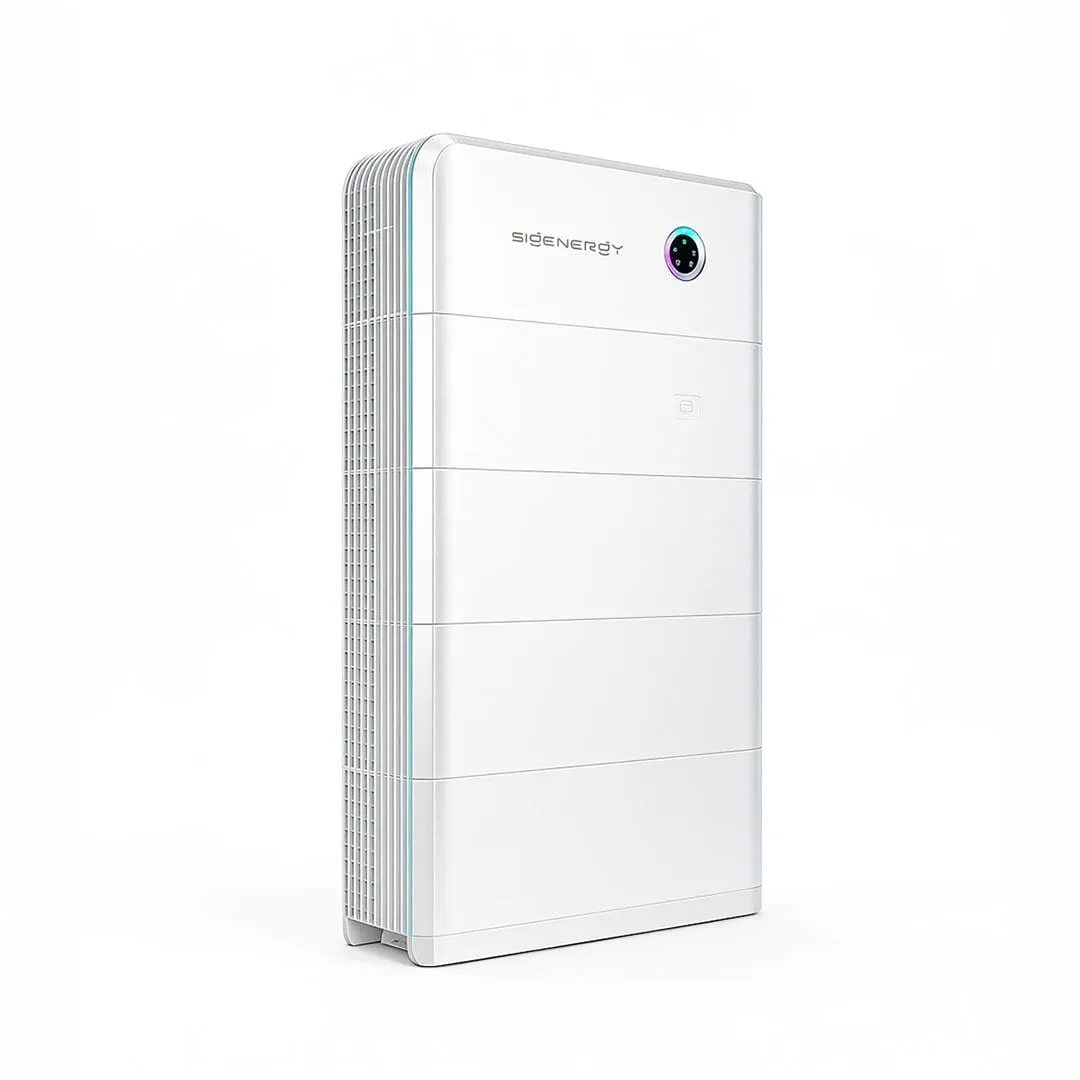
If a home battery is part of the plan (increasingly the norm — most quotes now include one, typically £4,000–£8,000 installed depending on capacity), the inverter choice affects how it’s wired in. SolarEdge has its own battery-compatible hybrid inverters designed to work natively with its optimisers. Enphase has its own IQ battery range designed to sit on the same AC bus as its microinverters, with no separate hybrid inverter needed at all since the conversion’s already done at the panel. Mixing and matching brands (a SolarEdge array with a non-SolarEdge battery, for instance) is possible but adds complexity and is exactly the kind of thing a good installer should flag as a design decision, not an afterthought.
The practical verdict
Neither system is “better” in the abstract — they’re better for different roofs and different owners. SolarEdge suits a simple, mostly-unshaded roof where you want detailed data and are comfortable planning for one inverter replacement roughly ten to fifteen years in. Enphase suits a genuinely complicated roof — multiple pitches, partial shade, awkward orientations — where spreading the electronics across every panel avoids a single failure point taking the whole system offline, and where a simpler, less number-heavy app suits you fine.
Whichever you’re leaning towards, get quotes for both from an installer who’s genuinely comfortable servicing either — not just selling it — and ask to see the live monitoring dashboard, not a screenshot, before you sign. For a wider read on what “good” looks like across panel brands generally, thebritishsolarblog.co.uk’s best solar panels UK guide is a useful companion piece to this one, and our solar panel maintenance guide covers what ongoing upkeep looks like once either system is on your roof.
If your project is larger than a typical home — a farm building, a small commercial unit, or a landlord portfolio — the module-level electronics conversation changes shape again, and it’s worth looking at commercialsolarpanelsinstallation.co.uk for how larger-scale designs handle the same shade and monitoring trade-offs at bigger capacities.