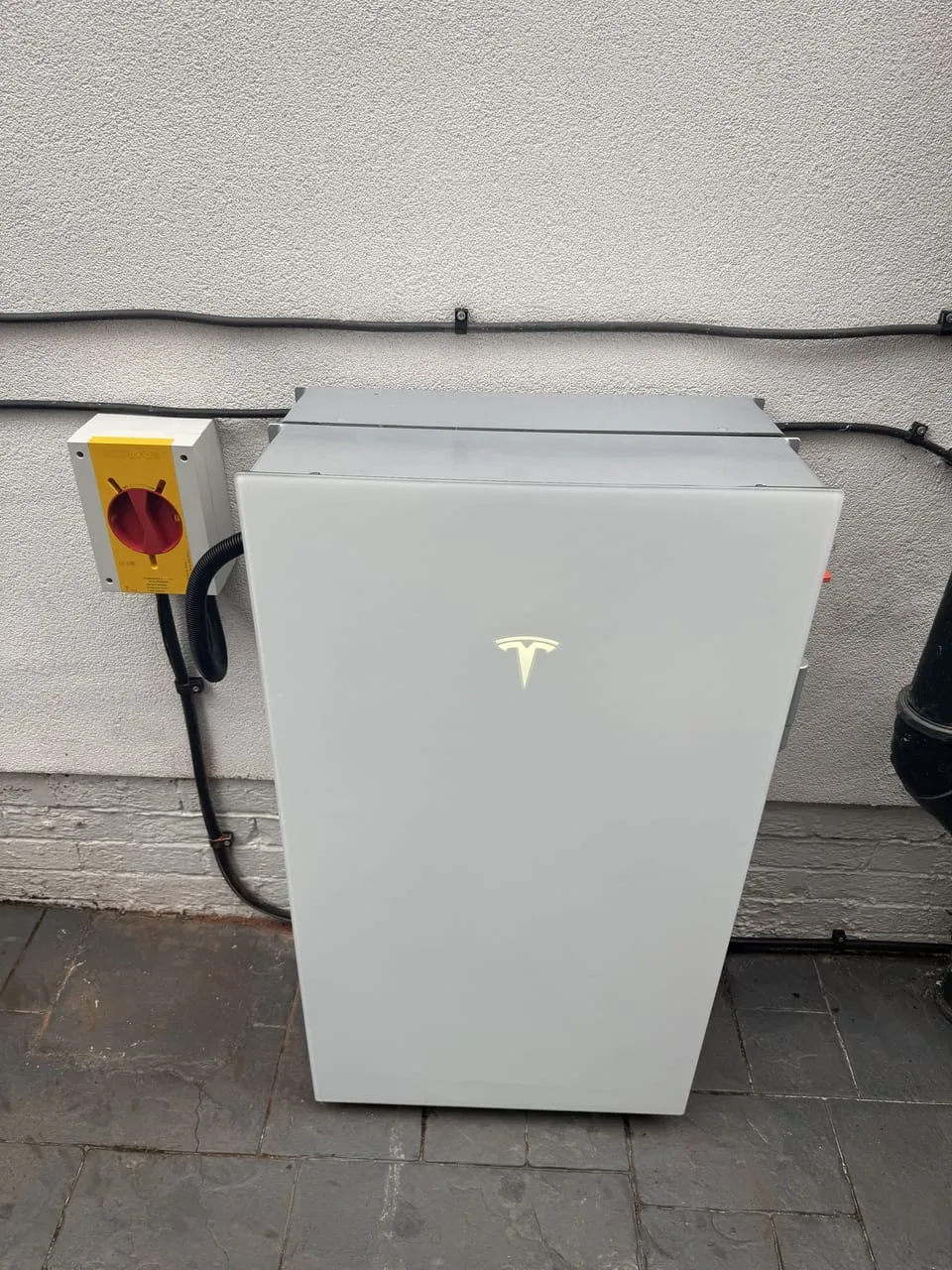
If you’ve got solar panels and a battery, Octopus Agile is the tariff that turns your setup from a simple self-consumption system into something closer to a small, semi-automated trading operation. Instead of paying one flat rate for electricity all day, Agile tracks the wholesale market in 30-minute blocks, which means prices can swing from a few pence to well over 30p/kWh in the same 24 hours — sometimes even going negative. Add a battery to the mix and, in principle, you can charge it when power is nearly free and use it (or export it) when prices spike. In practice, the gains are real but more modest than the tariff’s cult following sometimes suggests, and it only pays off if you understand the mechanics properly.
This guide explains how Agile actually prices electricity, how solar and battery owners can use it sensibly, what kind of savings are realistic, and where the whole approach falls down.
How Octopus Agile actually sets prices
Agile Octopus is a variable-rate electricity tariff based on Great Britain’s day-ahead wholesale power price, published every day around 4pm for the following day. Octopus takes that half-hourly wholesale curve, adds network costs, policy costs, operating costs and a margin, then caps the unit rate at 100p/kWh (the cap has rarely, if ever, been tested in recent years). The result is 48 half-hourly prices for the next day, refreshed daily, viewable in the app or on the Octopus website.
Prices are driven mainly by:
- Demand — highest in the 4pm–7pm “peak” window, especially in winter.
- Wind and solar generation — when the country is awash with renewable output, wholesale prices fall, sometimes below zero.
- Interconnector flows and gas prices — gas still sets the marginal price a lot of the time, so a cold, still, high-demand evening is usually the most expensive.
The upshot: your cheapest half-hours are very often between midnight and 5am (and sometimes brief windows in the middle of the day when wind or solar output is high), and your most expensive are almost always the early evening peak. This is the entire basis of “charge cheap, discharge peak.”
The mechanics: charge cheap, discharge peak
With a home battery — think something in the 5–13kWh range, similar to a Tesla Powerwall 3 or one of the LFP battery packs UK installers fit — the strategy has three moving parts:
- Charge from the grid during cheap overnight slots. Many Agile users see rates fall to somewhere around 5–15p/kWh overnight, and on genuinely oversupplied days it can go lower still, occasionally negative (where you’re paid to consume). This is when you top the battery up if solar alone won’t cover the next day.
- Let solar charge the battery for free during the day. On a decent daylight day your panels will fill a domestic battery well before the evening peak, so grid charging on sunny days is often unnecessary — the saving is really a winter/low-generation-month tool.
- Discharge to the house (or export) during the peak. Between roughly 4pm and 7pm, Agile rates commonly sit at 25–35p/kWh, sometimes touching 40p+ on tight-supply evenings. Running the house off the battery rather than importing at that rate is where the real money is made.
Some batteries and inverters support scheduled charge/discharge windows you set manually each evening after the next day’s rates are published; others integrate with third-party optimisation tools that read the Agile API and automate the schedule, including exporting back to the grid at peak rather than just avoiding import. Either way, the tariff rewards active management — Agile is not a “set it and forget it” tariff in the way a fixed rate is.
What kind of savings are realistic
Be sceptical of any claim of “£1,000+ a year just from tariff-switching.” For a typical household with a 4kW solar array and a 5kWh battery, the honest picture looks more like this:
- Solar self-consumption (the biggest saving) — using your own generation instead of buying grid power at ~25p/kWh typical import rate, worth roughly £400–£700/year depending on system size and usage patterns, largely independent of which tariff you’re on.
- Agile arbitrage on top of that — shifting the remaining grid import to cheap overnight slots and avoiding peak import, typically adds a further £100–£250/year for a modest battery, more if you have a larger battery (10kWh+) and can shift a bigger share of consumption.
- Export income — under the Smart Export Guarantee, rates vary a lot by supplier, roughly 12–20p/kWh at the better end (not a fixed national rate), so batteries that export surplus at Agile’s peak rather than exporting flat via SEG can add a modest extra return, but only if your supplier/tariff combination actually allows peak-time export rather than simple SEG metering.
Payback on the battery itself needs the full picture. A well-specified home battery installed today runs roughly £4,000–£8,000 (around £400–£700/kWh), or £8,500–£10,500 for something like a 13.5kWh Powerwall 3. If Agile arbitrage alone is adding £150–£250/year, the battery’s payback from arbitrage is long — a decade or more — which is why most sensible installers frame the battery’s core value as self-consumption and outage resilience, with Agile arbitrage as a genuine but secondary bonus. For a fuller breakdown of installed costs, thecostofsolar.co.uk’s battery storage cost guide is a useful independent reference, and their payback period calculator is worth running with your own numbers before committing.
Is Agile worth it if you already have solar and a battery?
Broadly yes, provided you’re prepared to engage with it — check the next day’s price curve each evening, or use an automation tool. If you’d rather not think about it, a simpler variable or fixed tariff with a decent export rate may suit you better; Agile’s volatility cuts both ways, and on the rare occasion demand is extreme (a cold, still, high-demand winter evening) rates can spike hard, which only helps you if the battery is genuinely full and the house is running off it rather than the grid.
Practical starting points:
- Confirm your inverter/battery system supports either scheduled TOU (time-of-use) charging or an Agile-aware automation add-on — not all older systems do this out of the box.
- Check your MCS certification is in order if you haven’t already, since it’s the pre-requisite for SEG export payments regardless of which import tariff you choose.
- Size the battery to your evening consumption pattern, not just your solar array — Agile rewards being able to cover the 4–7pm window from stored charge, so a battery that’s too small to bridge that window loses much of the benefit.
- Keep an eye on the daily price publication time (around 4pm) so you’re not caught out setting a charge schedule based on yesterday’s data.
Where advice and installation still matter
Tariff mechanics are only half the story — the system has to be sized and installed properly to give you something worth optimising. If you’re in South Yorkshire, ElectriFusion Solutions design solar-plus-battery systems around Doncaster with export and self-consumption balance in mind rather than just panel count. In Central Scotland, Ecoaim fits battery storage in and around Livingston and can talk through which battery chemistries and inverter brands play nicest with time-of-use tariffs. Homeowners in Lincolnshire looking for an MCS-certified installer might speak to Greenlinc Renewables, while South Wales households are better served by FLD Electrical in Swansea, who handle both the electrical and solar sides of a battery retrofit. If you’re in Yorkshire more broadly and want a single installer covering solar, battery and even heat pumps, YEERS is worth a call, and West Kent homeowners have Hazell Electrical on their doorstep for both new-build and retrofit battery work.
It’s also worth stepping back and asking whether your roof and consumption pattern suit this kind of tariff-chasing at all. If you’re weighing up solar-plus-battery from scratch, The British Solar Blog’s guide to whether solar actually works in the UK climate and our panel comparison guide are good starting points before you get as far as tariff optimisation. And if the numbers above have you reaching for a spreadsheet, thecostofsolar.co.uk’s solar panel calculator will let you model your own array size and usage rather than relying on the averages quoted here.
A note on realistic expectations
Modern panels (N-type TOPCon, HJT or ABC cells, which most reputable UK installers now fit) degrade at only around 0.4% a year and are typically warrantied for 25–30 years, so the solar side of this equation is a long, stable asset. Batteries and their inverters have a shorter working life — string inverters typically last 10–15 years and cost £500–£1,000 to replace — so build that into any long-term payback sum rather than assuming 25 years of Agile arbitrage on the same hardware.
None of this makes Octopus Agile a bad choice for a solar-and-battery household — for many people it’s a sensible tariff that turns otherwise-wasted evening peak charges into a manageable cost, and turns cheap overnight and midday surplus power into something more useful than grid export alone. It just isn’t the dramatic money-spinner some online calculators imply once you separate the genuine arbitrage saving from the underlying (and much larger) benefit of simply using your own solar generation. Go in with the right expectations, check your hardware actually supports scheduled or automated charging, and treat the tariff as a sensible top-up to a well-sized system rather than the reason to buy one.
If you’re commissioning a new system with all this in mind, it’s worth asking any installer you shortlist how their battery and inverter handle time-of-use tariffs specifically, rather than assuming “smart” means “Agile-ready” — the two aren’t always the same thing.