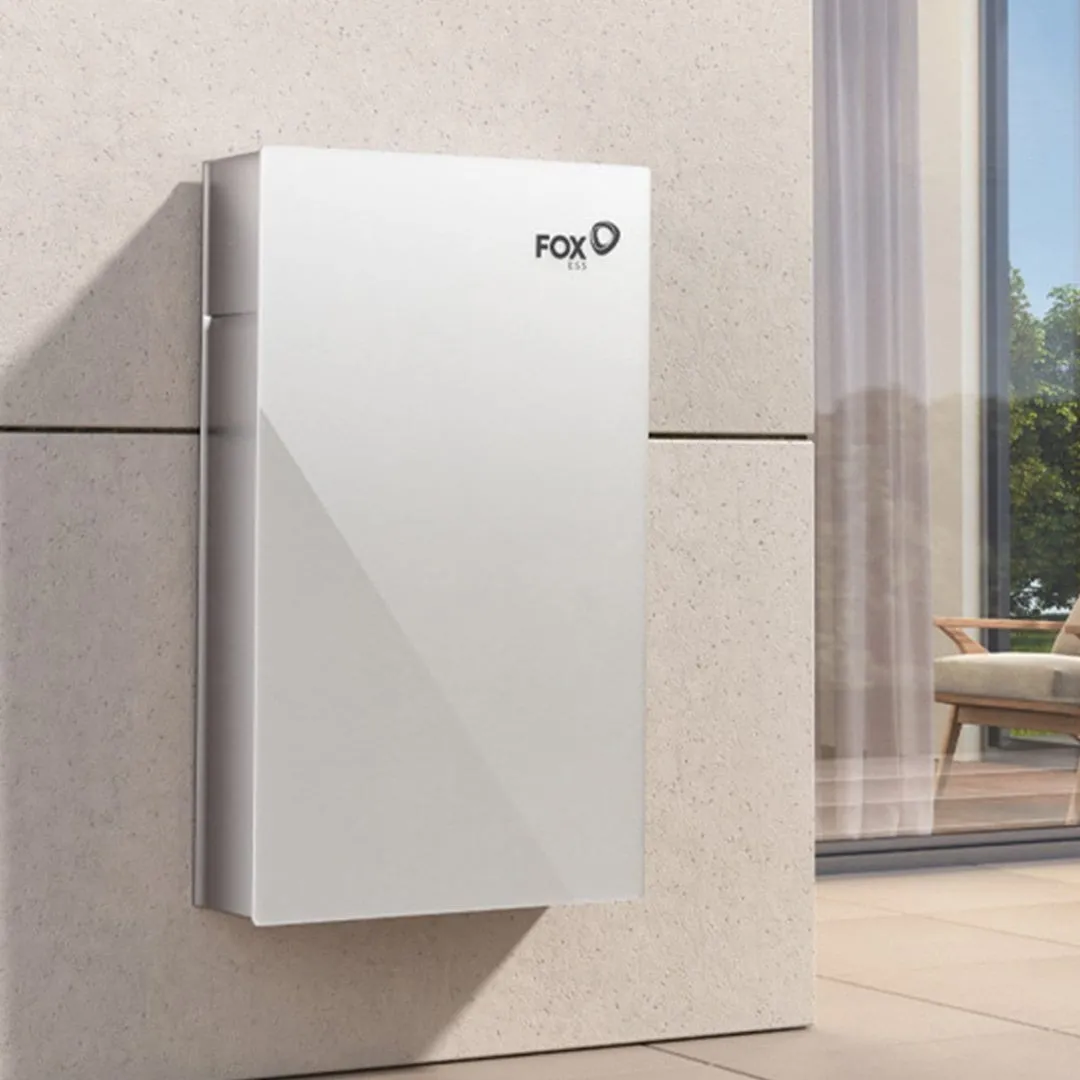
There’s a particular kind of frustration that sets in around late November, when your solar array — which felt like free money in July — is producing barely enough to run the kettle. The panels haven’t broken. This is just a UK winter: short days, low sun angle, and weeks where cloud cover can cut yield to a fraction of summer output. If you’ve got a battery sitting there half-empty because the sun isn’t cooperating, the question becomes how to use the grid intelligently instead of paying full whack for every kilowatt-hour. That’s what a proper winter battery strategy is for — and it has almost nothing to do with your panels and everything to do with your tariff, your charging routine, and how you treat the battery itself.
Why winter breaks the “just use solar” mental model
Across most of the UK, typical solar yield averages around 850 kWh per installed kWp per year, rising to 1,050 kWh or more in the sunniest parts of the south. But that annual figure hides a brutal seasonal skew — a big majority of that yield lands between April and September. December and January can deliver a small fraction of what June does, and on a run of grey days a 4kW array might generate only enough to cover a couple of hours of household load, let alone refill a battery.
That’s not a fault in the system. It’s physics — low sun angle, short daylight hours, and cloud. The mistake is designing your winter routine around a summer assumption: that the battery will always be topped up by the panels before the evening peak. In winter, for a lot of homes, it won’t be. Which means the battery becomes a tool for shifting grid electricity from cheap hours to expensive hours, not just a solar buffer.
The off-peak fill routine
If your solar isn’t going to fill the battery, a time-of-use tariff can — provided you actively manage the charging window rather than leaving it to chance. The basic routine most owners land on:
- Charge in the cheap window. Depending on your tariff, this is typically somewhere in the small hours (commonly midnight to 5am on many time-of-use plans, though windows vary by supplier). Set your inverter or battery app to force-charge from the grid during that window, up to a sensible ceiling — not necessarily 100%, for reasons covered below.
- Let solar top up during the day. Even a modest winter generation window (roughly 9am–3pm) should be allowed to add to the battery on top of the overnight fill, rather than being wasted or exported at a low rate.
- Discharge through the evening peak. The 4pm–8pm window is when household demand and grid electricity prices are both highest. This is where the stored cheap-rate energy should be spent, not saved “just in case.”
- Reassess weekly, not daily. Weather forecasts a week out are unreliable for solar planning, but a rough sense of “sunny spell coming” vs “grey week ahead” is enough to decide whether to lean harder on the off-peak charge or ease off it.
Most modern battery systems and inverters allow you to schedule this in an app, and it’s worth actually going in and setting it deliberately each time the clocks change, rather than assuming last winter’s schedule still matches this year’s tariff terms. Suppliers do revise off-peak windows and rates.
Depth of discharge: the bit people get wrong
Winter is exactly when owners are tempted to run batteries harder — deeper discharges, more cycles, less margin — because every kilowatt-hour feels precious. That instinct is understandable but works against the battery’s lifespan if taken too far.
Lithium batteries (LFP chemistry, which dominates the domestic market) are generally happiest cycling between roughly 10–90% state of charge rather than repeatedly hitting 0% or 100%. Most battery management systems already protect against a true full discharge, but setting your own reserve floor — say, keeping 10–15% back — reduces stress on the cells and tends to preserve capacity better over the système’s life. Charging to 100% every single night in winter isn’t dangerous, but consistently parking at 100% for long periods (rather than charging shortly before you need it) is one of the more common ways owners quietly shorten a battery’s useful years.
The practical version of this for winter: schedule the off-peak charge to finish close to when the expensive period starts, rather than sitting fully charged from 5am to 4pm. It’s a small thing, but over a few winters it adds up.
On lifespan more broadly, it’s worth remembering that panels and batteries age differently. Modern N-type panels (TOPCon, HJT, ABC) degrade slowly — around 0.4% a year — and are commonly warrantied for 25-30 years, so the panels are rarely the constraint. Batteries and string inverters have shorter practical lifespans, and a string inverter typically needs replacing after 10-15 years at a cost of roughly £500-£1,000. None of that is winter-specific, but winter is when you lean on the battery hardest, so it’s the season where poor charging habits show up first as reduced usable capacity.
Tariff pairings that actually make this work
None of the above matters much without the right tariff sat underneath it. A few pairings worth knowing about:
- Time-of-use import tariffs (cheap overnight rate, higher peak rate) are the backbone of a winter battery strategy. Without one, there’s no point force-charging from the grid at 2am — you’d just be paying the same rate you’d pay at 6pm.
- Smart Export Guarantee (SEG) tariffs matter less in winter simply because there’s less surplus to export, but it’s still worth checking your SEG rate if you do get a sunny cold snap — rates vary a lot between suppliers, roughly 12-20p/kWh at the better end, so it’s worth shopping around rather than assuming your supplier’s rate is competitive. SEG eligibility requires MCS certification on the installation, which is worth confirming you have on file.
- Standard variable/price-cap tariffs (import sitting around 25p/kWh under the Ofgem cap, though this varies) make the maths for winter grid-charging much less compelling — you’re paying near-peak rates even for your “off-peak” fill. If you’re still on a flat-rate tariff and running a battery, switching to a time-of-use plan is usually the single highest-impact change available, more so than any hardware tweak.
If you’re trying to work out whether your specific system and tariff combination pencils out, the sums are worth doing properly rather than guessing — thecostofsolar.co.uk’s battery storage cost guide breaks down typical installed costs (domestic batteries generally run £4,000-£8,000, or roughly £400-£700 per kWh, with a Tesla Powerwall 3 at 13.5kWh sitting around £8,500-£10,500) against the kind of tariff arbitrage a winter routine can realistically deliver.
Where this gets confused: VAT, grants, and what’s actually available right now
Worth being clear-eyed about the policy backdrop, because there’s a lot of noise here. Residential solar and battery storage installed in Great Britain currently carries 0% VAT, and that’s scheduled to run until 31 March 2027, after which it’s due to revert to 5% — so there’s no additional tax saving specific to winter charging behaviour, but it’s a live reason not to delay a planned battery retrofit if you’ve been sitting on the decision.
There isn’t a universal grant for home solar or batteries in England. What exists is targeted support: ECO4 and the Warm Homes scheme for low-income households in low-EPC-rated homes, and in Scotland, Home Energy Scotland interest-free loans. The Boiler Upgrade Scheme’s £7,500 grant is specifically for air source heat pumps — it doesn’t apply to solar PV or batteries, a mix-up that comes up a lot in forums. If you’re weighing up a heat pump alongside battery storage (a genuinely good winter pairing, since a heat pump’s biggest electricity draw often coincides with your battery’s evening discharge window), it’s worth reading up separately on that scheme rather than assuming it stretches to cover the whole system.
Getting a system set up properly for winter running
A lot of the “my battery isn’t behaving how I expected in winter” complaints trace back to installation and configuration rather than hardware failure — charging schedules never set up, reserve floors left at factory defaults, or a system that was commissioned in summer and never revisited once the clocks changed. If you’re not confident your current setup is configured for winter running, it’s worth getting an installer to check the settings rather than assuming the app is doing the sensible thing by default.
For homeowners in the relevant areas, Ecoaim covers Central Scotland battery and solar installs and can talk through Home Energy Scotland loan eligibility alongside a system check, while YEERS in Yorkshire installs and services solar, battery, heat pump and EV setups together, which matters if you’re trying to coordinate a heat pump’s overnight running with a battery’s charge window. Down in the South West, CCS Heating & Renewables pairs solar and battery work with renewable heating, useful if winter heating costs are the actual driver behind wanting a smarter battery routine, and in South Wales FLD Electrical handles both the solar/battery side and the underlying electrical work if your consumer unit or wiring needs attention before a battery retrofit.
If your existing battery is underperforming and you suspect it’s a maintenance rather than a strategy issue — cells not balancing, an inverter throwing intermittent faults, a BMS that’s stopped charging past a certain percentage — Solar Maintenance Solutions specialises in exactly that kind of diagnostic work nationally, rather than new installs.
The commercial parallel, if it’s relevant to you
Everything above scales up, with more moving parts, for any business running solar plus battery storage — care homes, warehouses, offices — where load shifting away from peak commercial rates is often the whole business case for the battery in the first place. Battery Storage For Business is worth a look if you’re weighing this up for commercial premises, and Commercial Solar Finance covers how that kind of system gets funded when the sums involve six figures rather than a domestic retrofit. If you’re specifically trying to understand payback timelines on a domestic system before committing to a battery at all, thecostofsolar.co.uk’s payback period guide is a sensible next stop, and for the basics of why UK solar output behaves the way it does across the seasons, The British Solar Blog’s own explainer on how solar performs in the UK covers the seasonal generation curve in more depth than there’s room for here.
The practical takeaway
Winter battery strategy isn’t about squeezing more out of panels that simply aren’t getting the sun — it’s about treating the battery as a grid-arbitrage tool for four or five months of the year rather than a solar-only buffer. Set an off-peak charging window that matches your actual tariff, let what daytime solar you do get top things up rather than force it, discharge deliberately through the evening peak, and keep a sensible reserve floor rather than cycling between 0 and 100% every day. None of it requires new hardware — just a tariff that rewards the behaviour and twenty minutes in the app each time the season turns.